Studio Visit | Kris Ekstrand
Written by Carin Jacobs
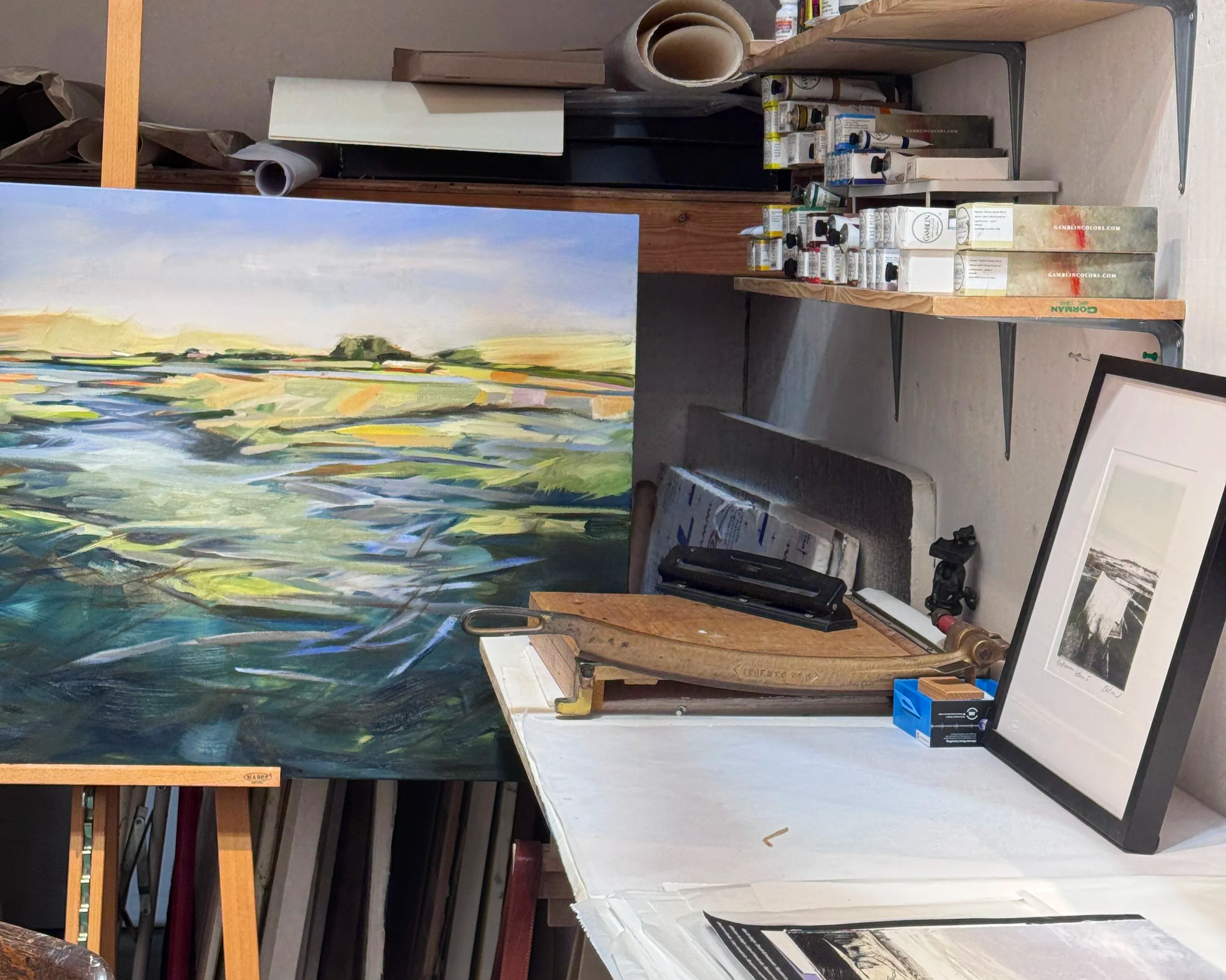
Inside the studio of Kris Ekstrand in Petaluma
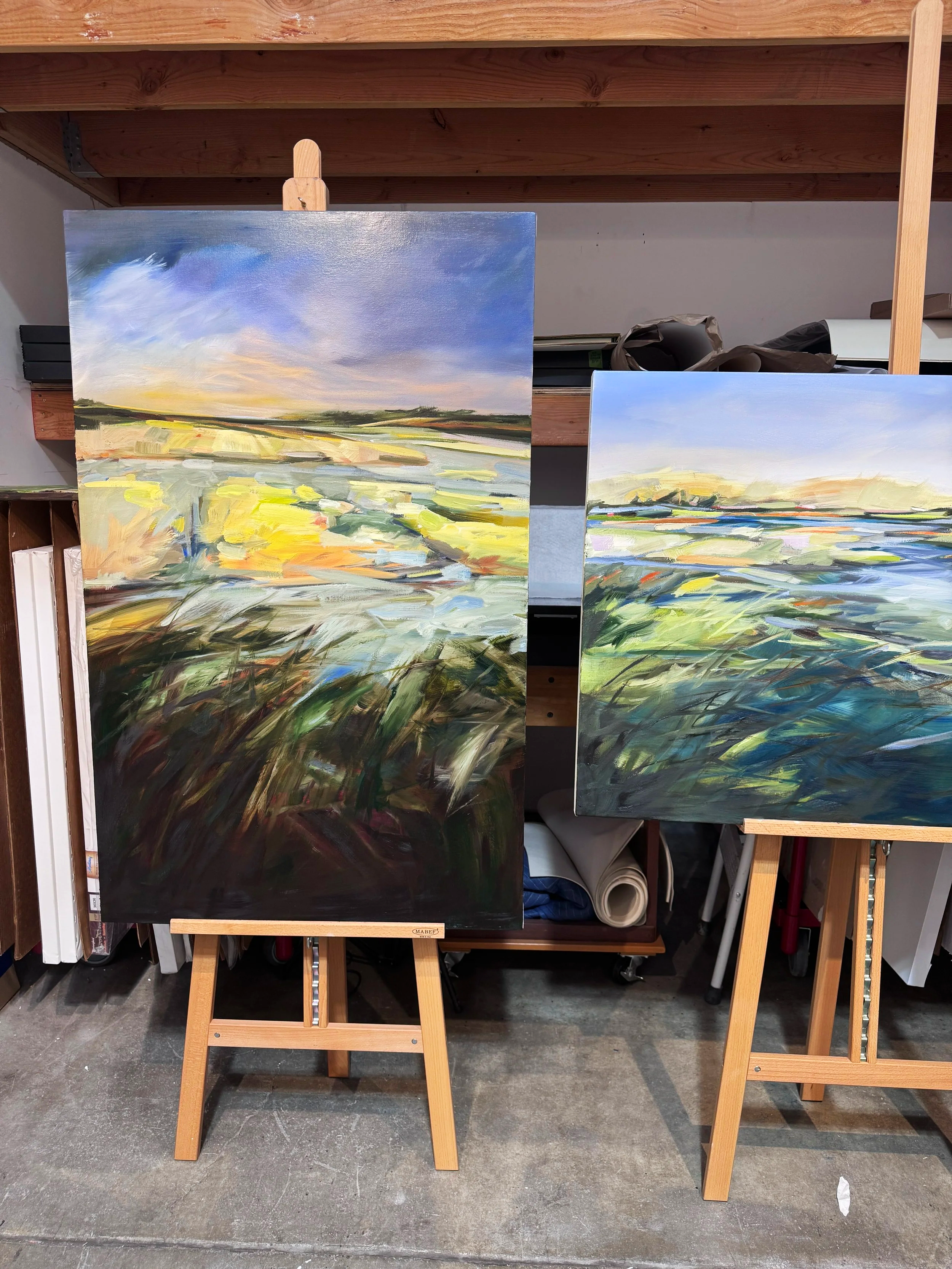
“Painting isn’t a way to tell people what you think; it’s a process of learning what you think.” This is Kris Ekstrand’s mantra as she continues to build her portfolio of paintings, prints and drawing in her studio at the Magic Shop collective in Petaluma. While her previous day jobs, including director of an art museum, fundraiser for nonprofits, and editor and publicist for television, honed her skills at getting attention for other people’s work, she admits she has never been very good at self-promotion. “I’m not running a business here.” Even when she shares that one of her nest drawings ended up in Martha Stewart magazine, she does so with modesty. Still, she has quite a following and is represented by Seattle Art Source and a small gallery in Edison, WA, and here in wine country by Lori Austin Gallery in Healdsburg.
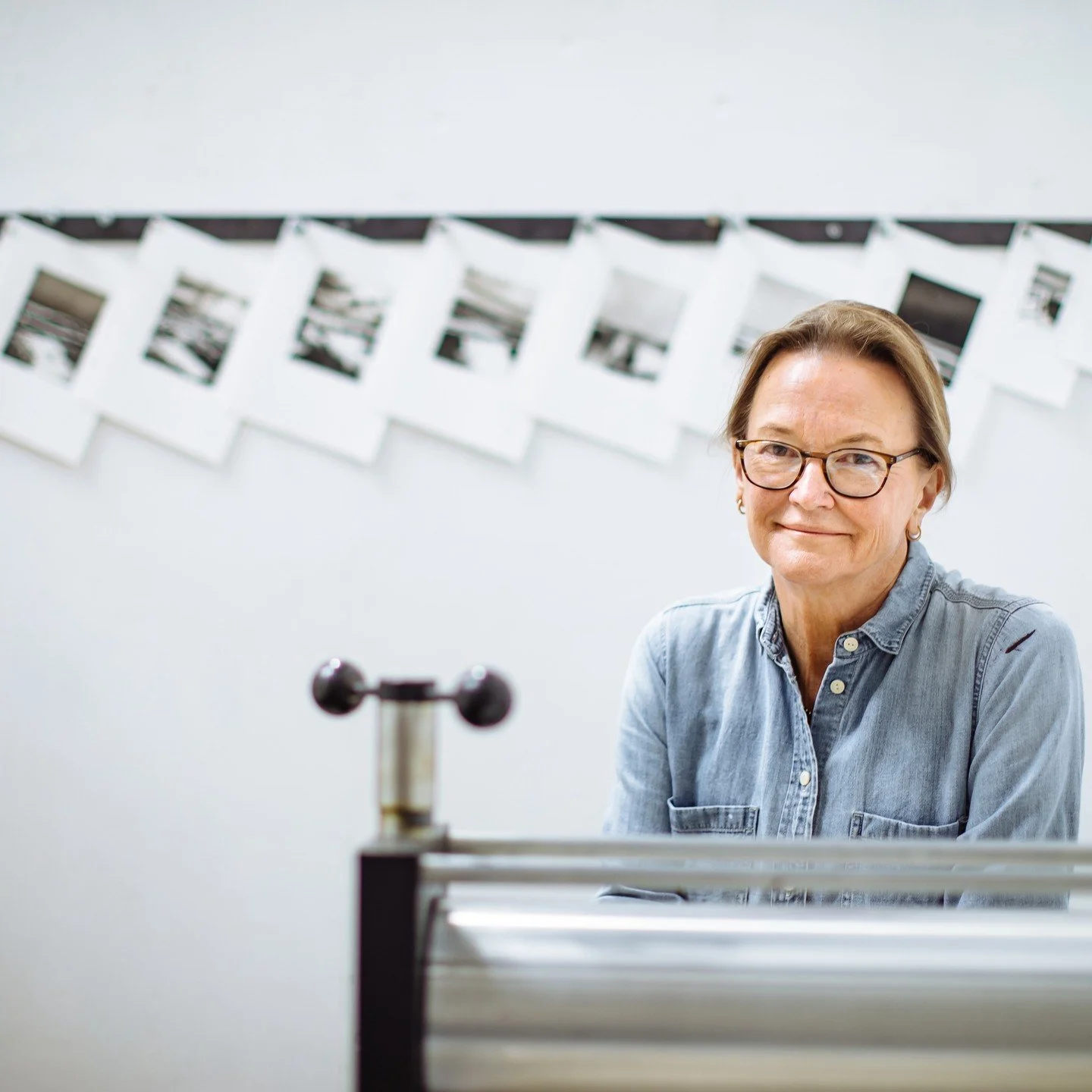
Via Kris Ekstrand
Kris grew up in Northwestern Montana, where “there were no women artists around.” Her mother (a writer) knew she was an artist long before she had realized it herself and when they moved to Seattle during her teenage years, connected her with a British painter who ran a studio of portraiture and still life where she cemented her lifelong passion. She then attended Cornish College of the Arts before getting her BFA at Pacific Lutheran University, just as they were starting a new intaglio department. Putting down roots in the Northwest, she settled with her husband in the Skagit Valley between Seattle and Vancouver. Situated close to the water and the San Juan Islands, the area had many aspects in common with Petaluma—occasional friction between the farmers, the tribes, and the fishermen and strong roots in agriculture. Always inspired by landscape, Kris chose two similar spots to call home.
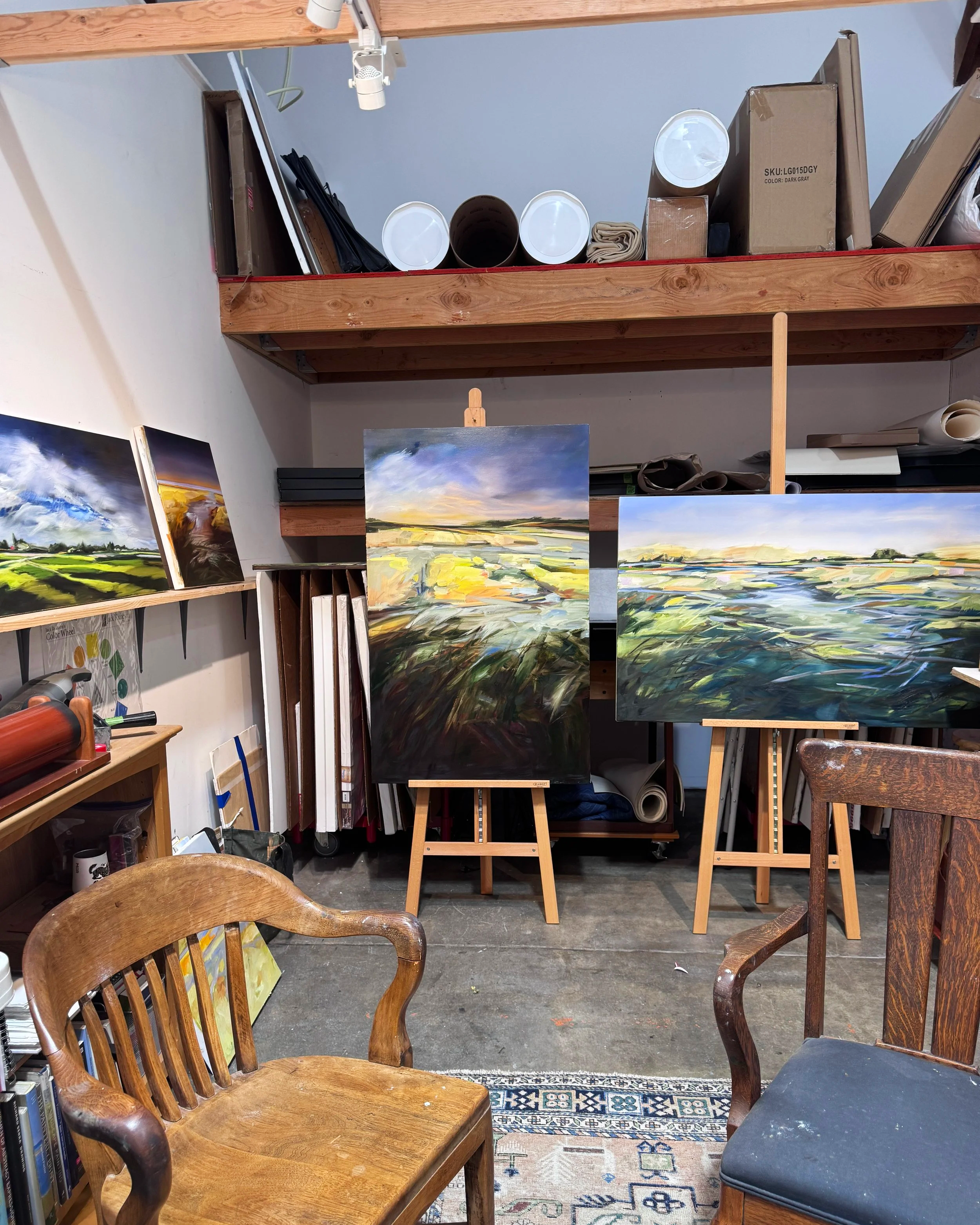
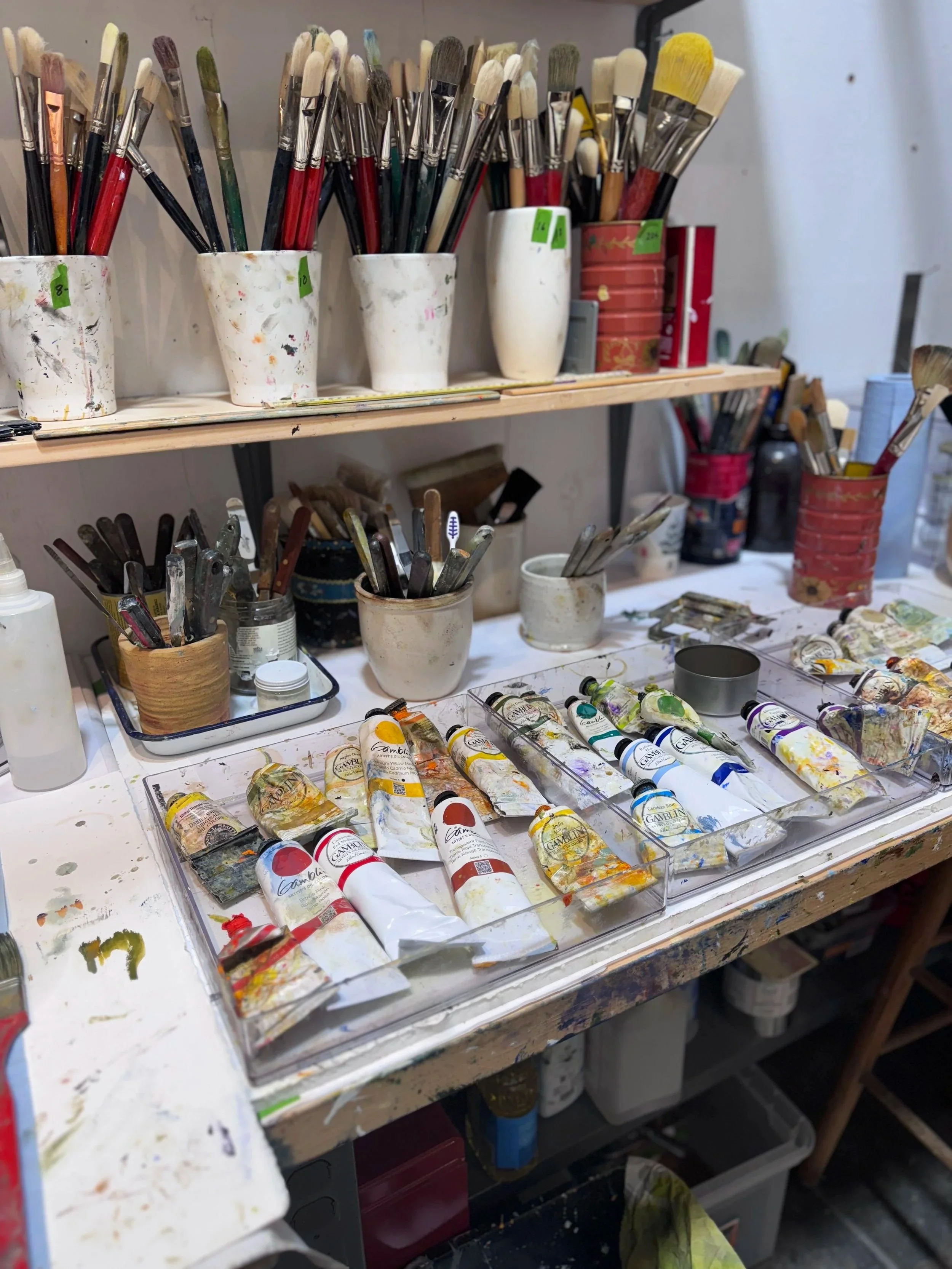
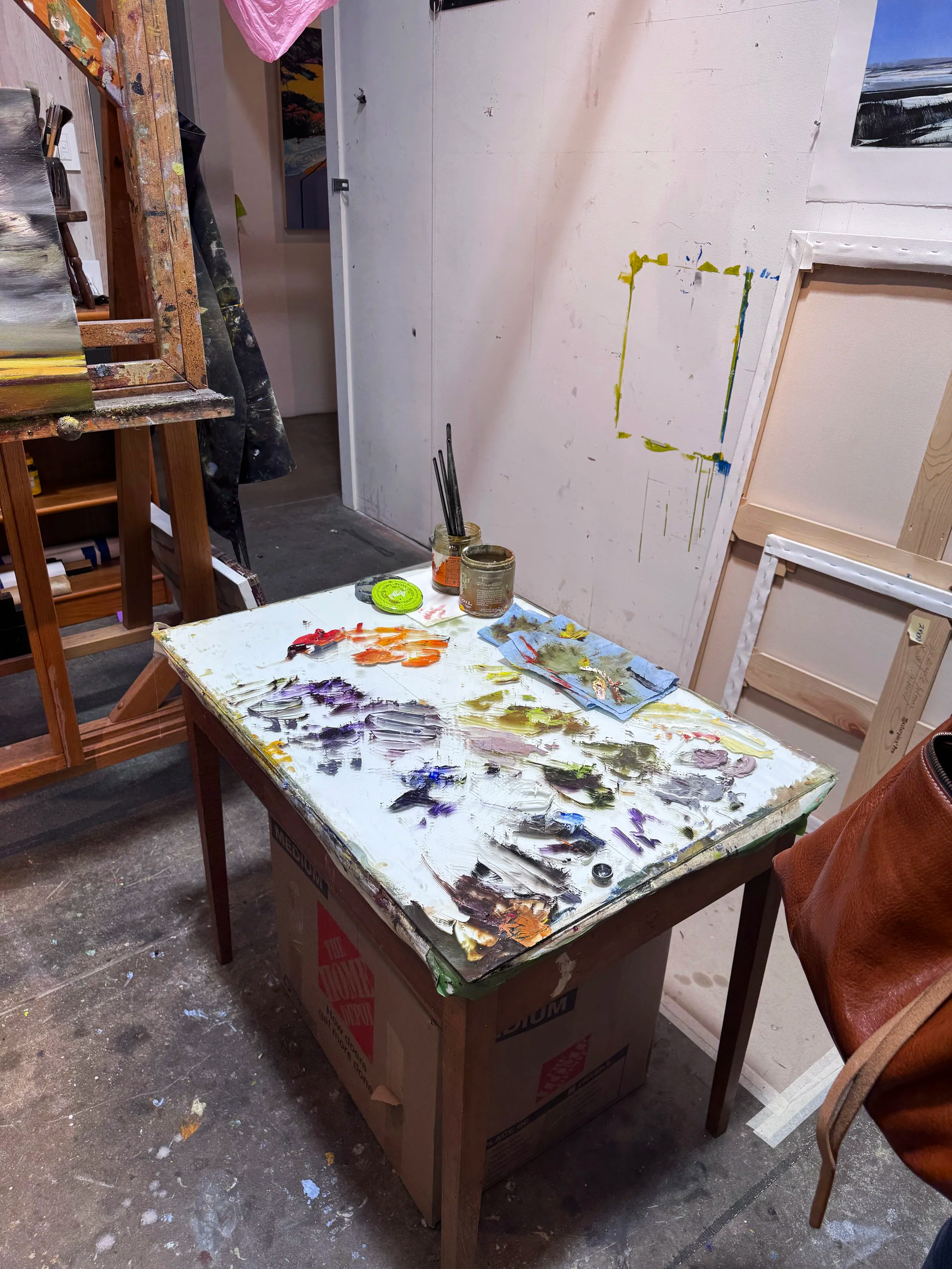
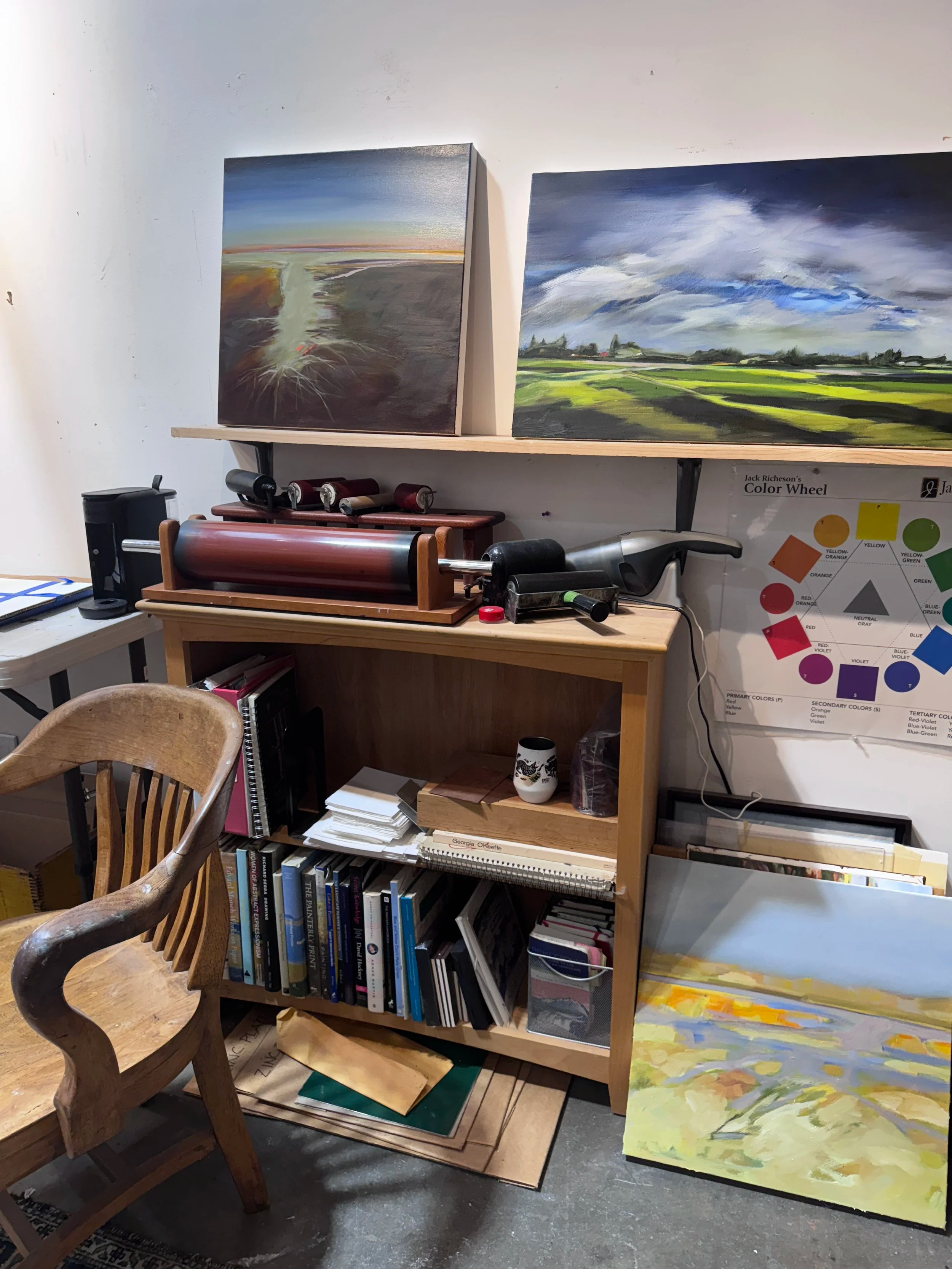
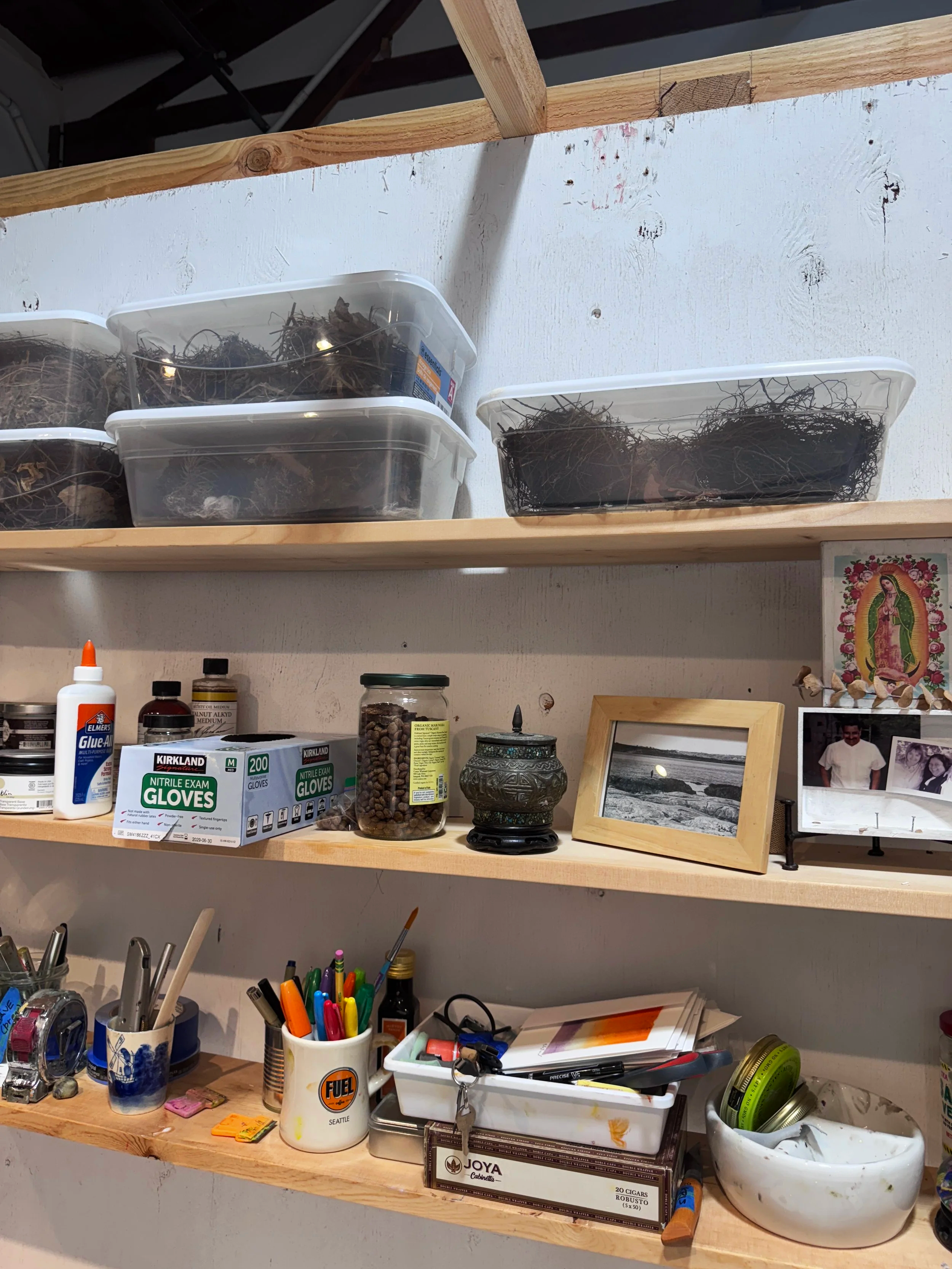
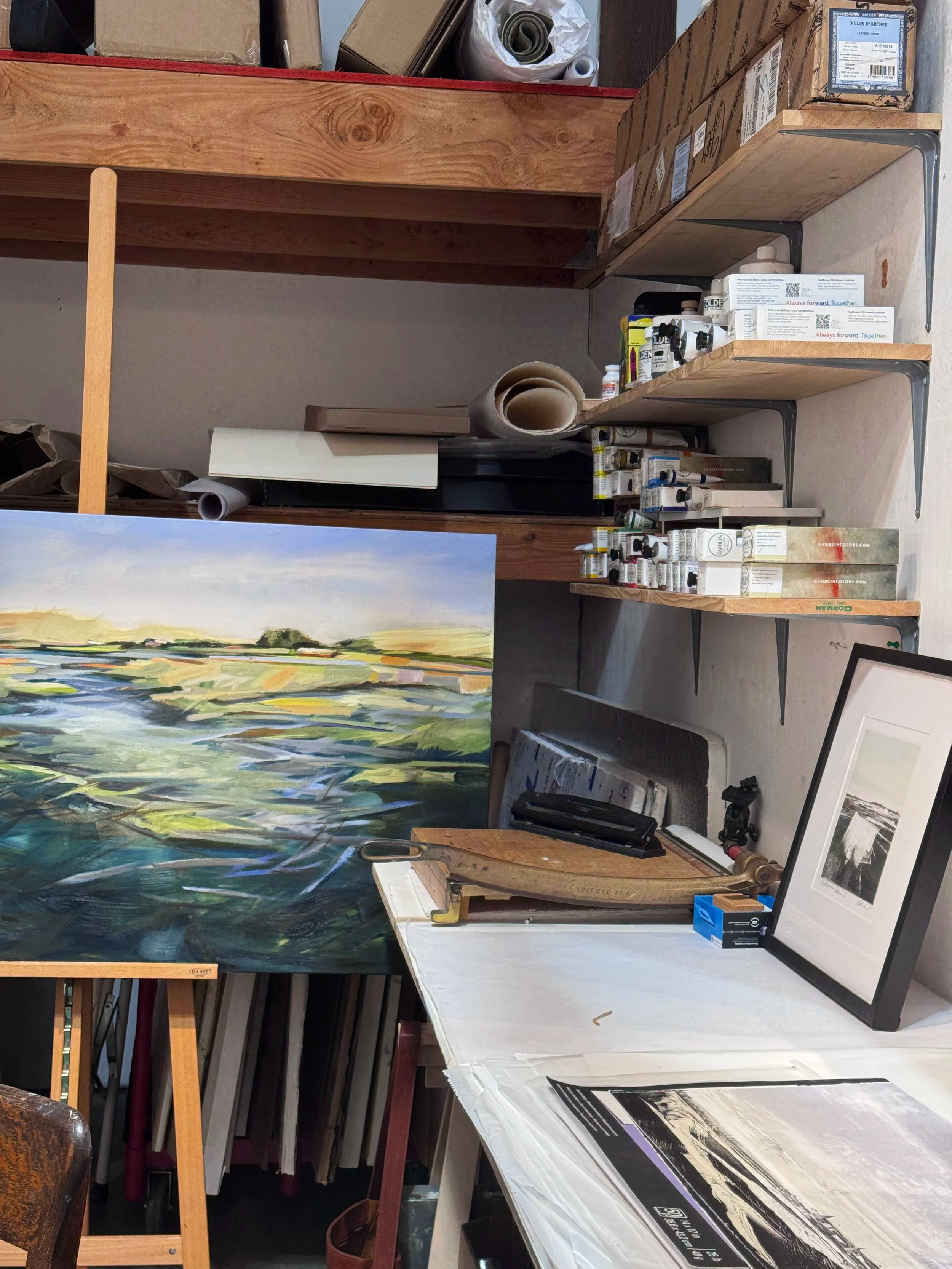
Kris Ekstrand’s studio in Magic Shop Studios Petaluma
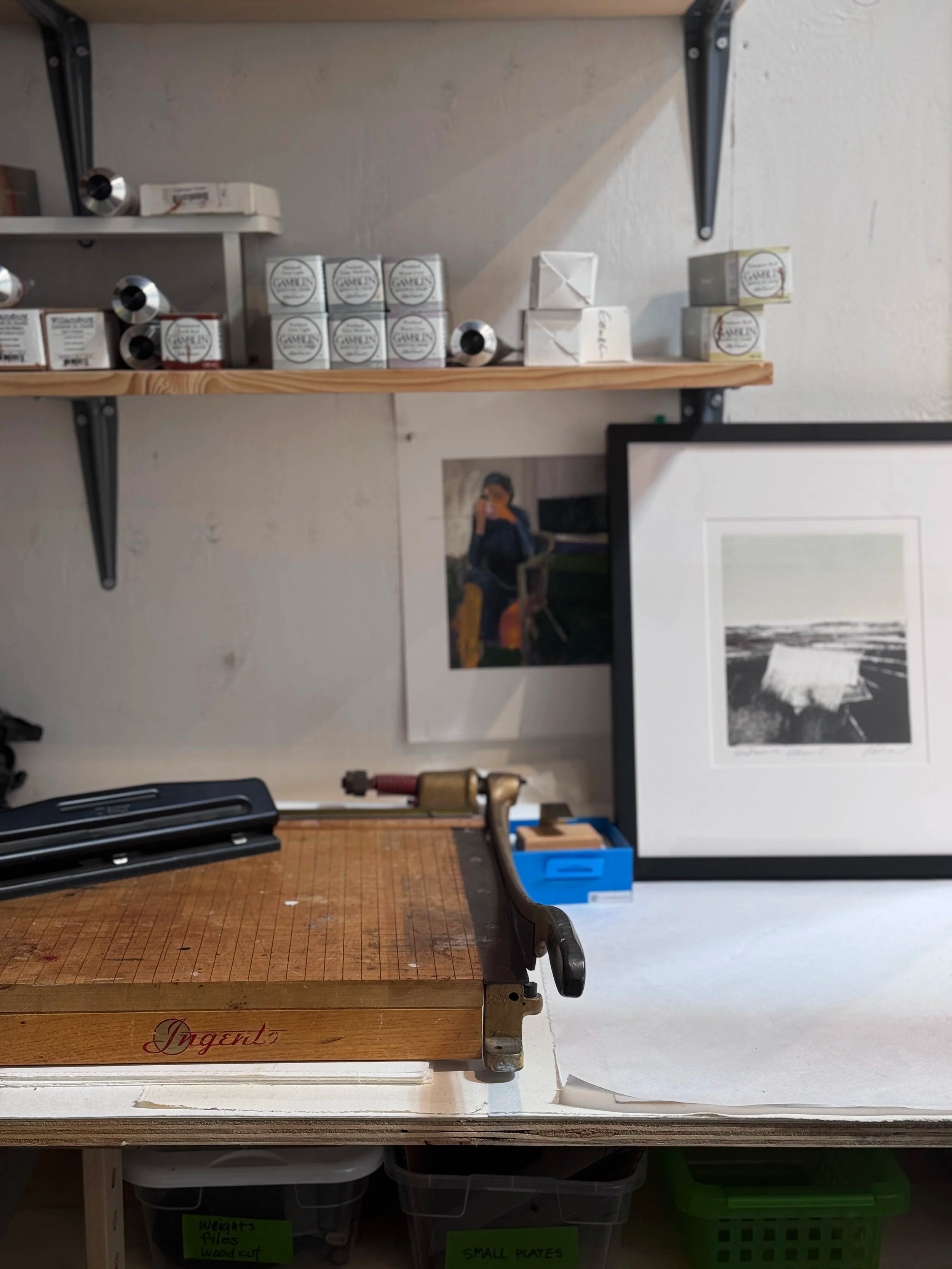
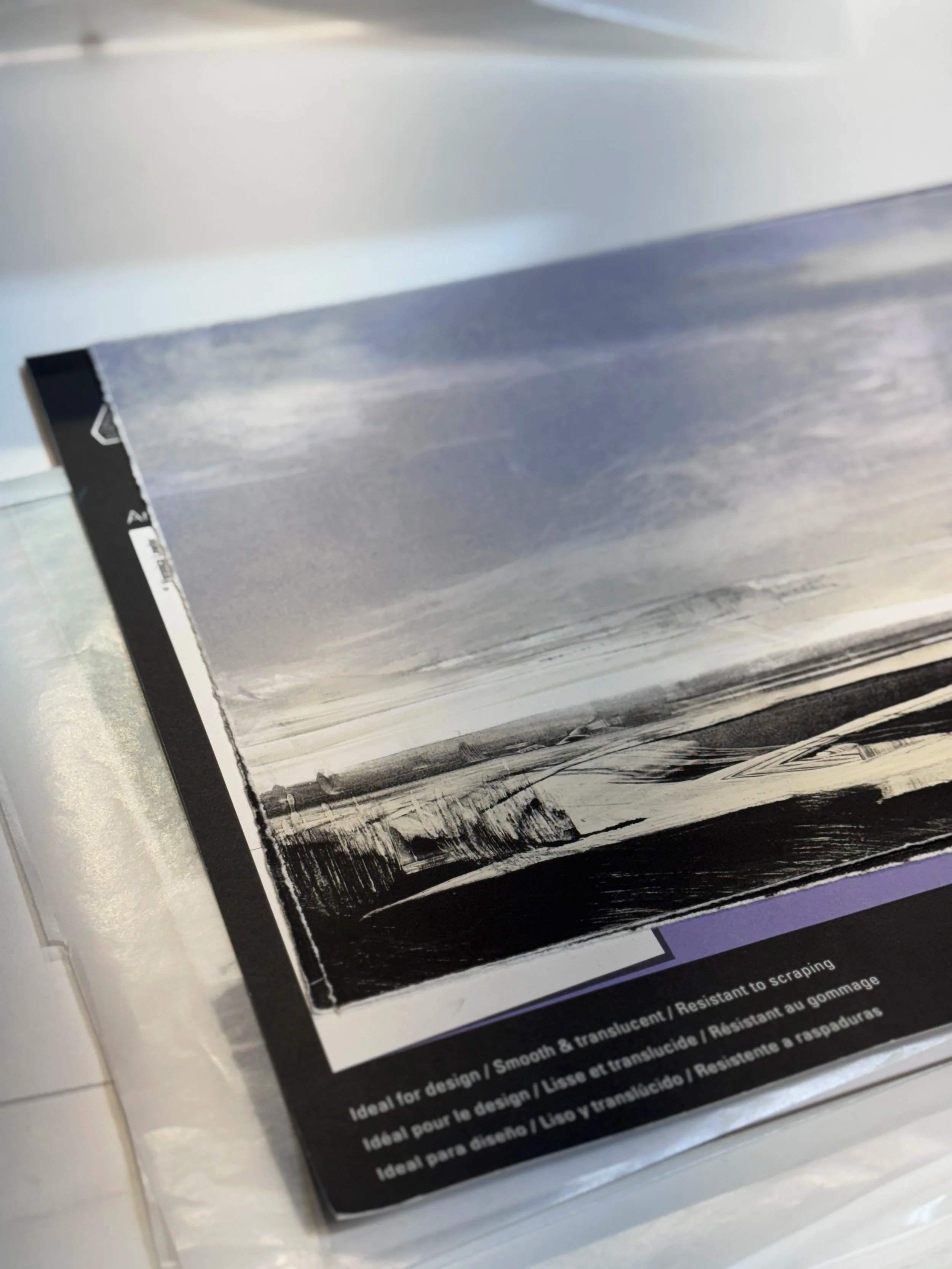
From her landscape paintings with broad brushstrokes and large swaths of color to her seemingly fragile charcoal nests, Kris’s work is clearly informed by her surroundings and sense of place. During our visit, she shared a newer collection of monotypes. She explains her print process is about edges, where water begins and where it stops. “The tipping points between when something is coming together and when it is coming apart.” She responds to the ebb and flow of tidal sloughs and to landscapes more by how they make her feel rather than strictly what they look like, “environmental art that doesn’t hit you over the head.” Making the move from WA to CA, Kris wondered how she could paint in a place when she did not yet know its stories. As she learned about Petaluma, its rhythms and its seasons, things got easier. “I was painting to figure out where I had landed.”